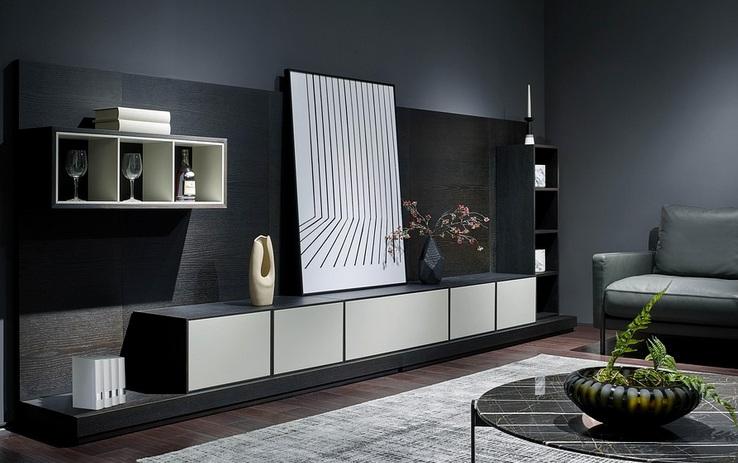
If you’re ready to dive into DIY Home Automation, you’re in for a fun ride! It’s all about making your home smarter, easier to manage, and often, a whole lot more energy-efficient. You don’t need to be a tech guru to get started. Just a little curiosity and a few smart devices can transform your living space into something amazing.
First things first, figure out what you want to automate. Do you want smart lights that turn on when you walk into a room? How about a thermostat that adjusts itself based on your schedule? A good starting point is to list the tasks that feel repetitive or annoying. Knowing what you want will guide your choices as you explore the exciting world of DIY Home Automation.
Next, choose a smart home hub. This is your command center, connecting all your devices and allowing you to control them in one place. Look for hubs that support multiple brands, like SmartThings or Hubitat. A good hub makes everything easier to manage and expands your options for DIY Home Automation. Plus, many hubs come with user-friendly apps, so you can control everything from your phone.
Once you have your devices and hub set up, it’s time to get creative! Consider setting up routines or scenes. For example, you can create a “movie night” scene that dims the lights, turns on the TV, and adjusts the thermostat with a single command. Play around with different setups, and don’t hesitate to tweak them as you go—you’re in charge here!
Finally, don’t forget to keep it simple. Start with one or two devices, get comfortable with how they work, and then slowly add more. DIY Home Automation is all about enjoying the process. So, have fun, be patient, and watch as your home becomes smarter one step at a time!
Essential Devices for Your Smart Home
Setting up a smart home doesn’t have to be overwhelming. Getting started with DIY Home Automation is all about choosing the right devices that fit your lifestyle. Let’s dive into some essential gadgets that can make your home smarter and your life easier.
First up, smart speakers are a game changer. Whether you choose Amazon Echo or Google Nest, these devices let you control almost everything with your voice. Ask them to play music, set reminders, or even control your smart lights and thermostat. They’re like having a personal assistant right in your living room.
Next, consider smart lights. These bulbs change the way you illuminate your space. You can adjust brightness, change colors, and set schedules right from an app on your phone. Imagine walking into a room and having the lights come on automatically. It’s not just cool; it’s surprisingly convenient and energy-efficient, too.
Don’t forget about smart plugs. These little devices are perfect for turning any standard appliance into a smart one. Plug in your coffee maker or lamps and control them remotely. You can set a schedule to turn them on and off. Forgetting to turn off appliances is a thing of the past!
Finally, think about smart security cameras. Keeping an eye on your home is easy with these cameras. They let you monitor everything from afar and send alerts if they detect any motion. You can even check in during your vacation or just keep an eye on pets when you’re not home. This setup adds an extra layer of safety without much hassle.

WiFi Smart Thermostat for Home Heating Control
Effortlessly control your home's heating with our WiFi Smart Thermostat
Product information
Product Review Score
4.99 out of 5 stars
14 reviewsProduct links
Simple Steps to Automate Your Home
Ready to dive into DIY Home Automation? You can transform your living space with just a few easy steps. It doesn’t have to be complicated or expensive. Let’s break it down.
First off, think about what you want to automate. Are you looking for smart lighting, a connected thermostat, or maybe security cameras? Jot down your top priorities. Once you know what you need, choose your devices wisely. Stick with ones that work well together and can be controlled from a single app for a smoother experience.
Next, you’ll want to set up your devices. Most smart products come with user-friendly apps that guide you through the installation. Just follow the prompts, and you’ll be up and running in no time. Don’t forget to connect everything to your home Wi-Fi. This step is crucial for your DIY Home Automation plan to work seamlessly.
Now it’s time to customize your settings. Tweak your device settings in the app to fit your life. Schedule lights to turn on when the sun sets or adjust your thermostat based on when you’re home. These little changes can make a big difference in comfort and convenience.
Lastly, don’t overlook security features. Set up alerts for your smart cameras and locks so you can keep an eye on things while you’re away. Regularly update your devices and passwords to stay safe. With these simple steps, you’re well on your way to mastering DIY Home Automation and creating a smarter home that works for you!
Maboto Wi-Fi Smart Home IR Remote Controller
Control all your devices with ease from anywhere using this smart remote
Product information
Product Review Score
4.2 out of 5 stars
136 reviewsProduct links
Tips for Troubleshooting Common Issues
Setting up your DIY Home Automation system is usually a breeze, but sometimes things don’t go quite as planned. Here are some quick tips to help you troubleshoot common issues. Getting back on track can be easier than you think!
1. Check Your Wi-Fi Connection
Many smart devices rely on a strong Wi-Fi signal. If something isn’t working, first check your internet connection. Try rebooting your router to refresh the connection. You can also move devices closer to your router if they seem weak.
2. Restart the Device
It sounds simple, but turning your device off and on again can solve a lot of problems. This fixes minor glitches and helps reset connections. Don’t underestimate the power of a quick reboot!
3. Update Your Apps and Firmware
Sometimes your devices won’t communicate properly if they’re not using the latest software. Make sure you regularly check for updates for both your smart devices and the apps you use to control them. Keeping everything up-to-date is key for smooth operation.
4. Check Device Compatibility
Not every smart device works with every home automation system. Double-check that your devices are compatible with your setup. Consult the user manuals or online resources to confirm compatibility before you buy or try to pair things.
Armed with these tips, you’ll be ready to tackle any hiccups in your DIY Home Automation journey. Don’t let small issues hold you back from creating your ideal smart home!